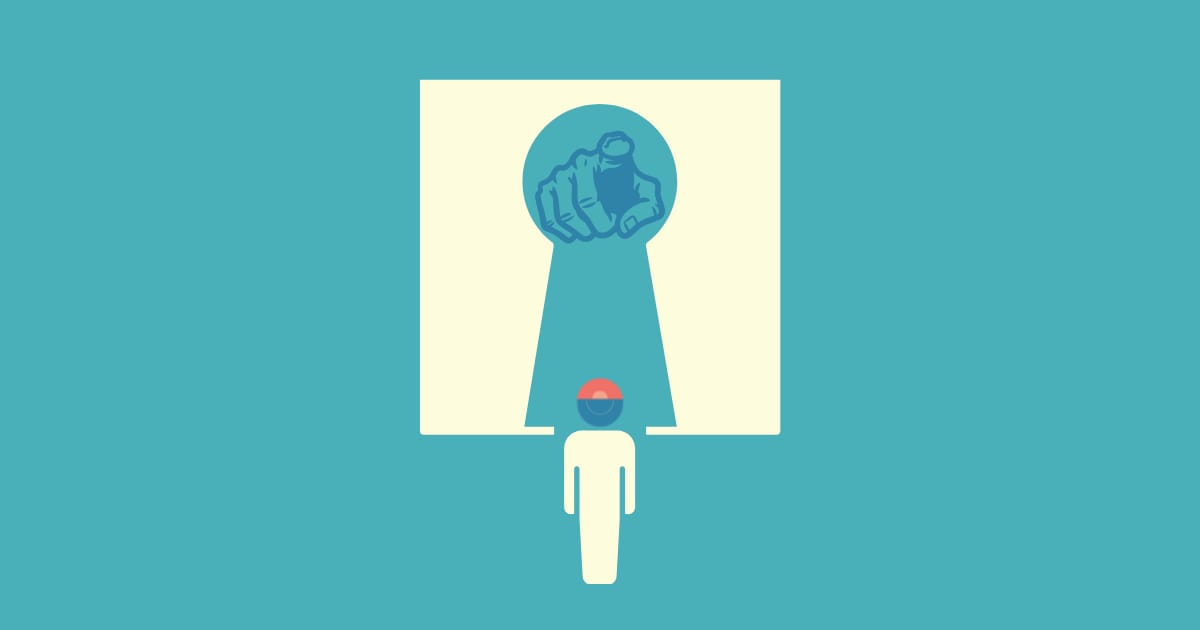
- Saving Sundays
- Posts
- Nobody is coming to save you | 4.5 min read
Nobody is coming to save you | 4.5 min read
And that’s exactly why you’re more powerful than you think

Tyler Wade
January 11, 2026
The story
Hey Go-Getter
Happy Sunday, whatever your goals are for the year, keep going.
There is nothing holding you back more than you.
I’m already falling short on my resolutions. Mostly because I haven’t defined them.
I work out and eat healthy—these are identity habits, integral to who I am. That's a choice.
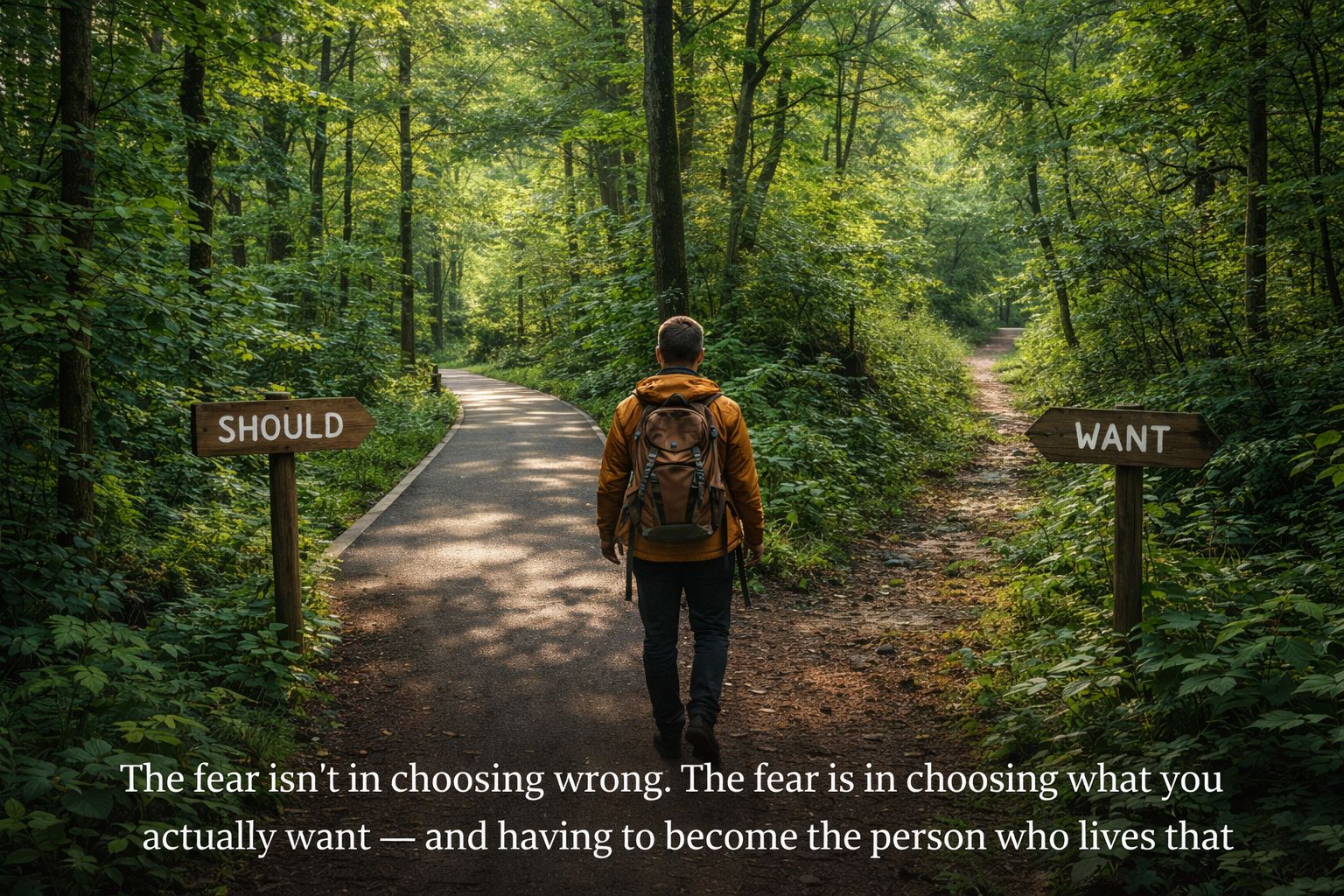
The real struggle, though, centers on a single decision hanging over me.
Option A vs. Option B.
Stability vs. risk.
Boring vs. fun.
Rigid vs. flexible.
Guaranteed vs. unknown.
It weighs on me. I dwell on it constantly; it’s an unresolved loop I can’t close.
So I sought therapy. When I laid out the details, they looked at me and said, “You’re a weapon” (in a good way).
I sought family advice. When I gave them the same details, they said, “You’re weird” (I think in a good way?)
But why? Why can’t I just decide?
Last spring, I read The Mountain is You (if you resonate with this newsletter, it may be worth reserving a copy at the library).
And it finally clicked. I’m causing my own pain.
The thing about self-sabotage
Every New Year starts the same way for most of us.
We see the gap between where we are and where we want to be. We buy the shoes. Download the app. Write the goals. Promise ourselves this time is different.
And then… it isn’t.
By the second or third week of January, the gym bag is still in the car, the book is unopened, the screen time is up, and we’re quietly back in the same routines.
We don’t fail because we’re lazy.
We fail because change hurts, and our brains are designed to avoid pain.
Self-sabotage is when one part of you wants to grow… and another part of you is scared of what that growth will change.
So you get stuck.
What self-sabotage looks like on the surface
Self-hatred: “I skipped one workout. I’m terrible at this. Why do I even try?”
Low confidence: “Other people can stick to routines, but that’s just not me.”
Lack of willpower: “I’ll start again Monday, after this week calms down.”
But those aren’t the real problem.
They’re the story your brain tells when it’s trying to protect you from what’s beneath the surface.
What self-sabotage really is
My Apple Fitness trainer said, “If you don’t challenge yourself, you can’t change yourself.”
Self-sabotage happens when one part of you wants to grow, while another part is scared of what that growth will change.
So you don’t quit—but you don’t really start either.
That paralysis? That’s self-sabotage protecting you from something deeper.

It shows up as numbing behaviours like phone scrolling—not laziness, but avoidance.
It’s irrational; there are unconscious negative emotions, such as avoiding budgeting because, as a kid, money discussions meant fights, shame, or stress.
It’s unfamiliar because being healthy, calm, or confident feels weird when chaos is the norm.
Or perhaps it’s your belief system. If you believe people like you don’t succeed, you’ll quietly provide the proof.
As Henry Ford said, “Whether you think you can or you can’t—you’re right.”
The many ways self-sabotage ruins resolutions (and what to do about it)
Resistance is the #1 sign of self-sabotage: procrastination, distraction, perfectionism, self-doubt, busyness, fear, judgment, comparisons, and overplanning.
Author Steven Pressfield calls it the internal force that rises up right before you do something meaningful.
Legendary producer Rick Rubin calls it “The Noise,” and he says to stop listening to it. Creativity happens when you get quiet enough to hear what wants to come through you. Don’t wait to feel inspired; create conditions where inspiration can arrive (e.g., at the same time, in the same space, with low stakes, no outcomes—just make yourself available). The work happens when you get out of the way.
Author Brianna Wiest says Resistance isn’t laziness. It’s your nervous system trying to keep you safe. Your brain prefers what’s familiar, predictable, and free of risk of rejection, failure, or change.
You think you need: Motivation, confidence, clarity, readiness, and fearlessness.
What actually works is routine, repetition, movement, showing up, and courage in the face of fear.
They all say resistance is a gatekeeper to personal growth, healing, creative work, and becoming who you want to be. Without resistance, the thing probably doesn’t matter. Practice eliminating it.
Resistance is not a sign that you are doing something wrong.
It’s proof that you are about to do something important.
The Pebble
Nobody is coming to save you
If you have 30 seconds, watch Bobby Slugz get angry about it.
If you have 1 minute, watch Mel Robbins, author of Let Them.
If you have 10 minutes, watch Mel Robbins, Jocko Willink, Casey Neistat, David Goggins, and more.
The challenge
Are you stuck in a self-sabotage cycle?
Here’s how to tell.
You might be self-sabotaging if:
☐ You think more about change than you actually do it
☐ You feel busy but not fulfilled
☐ You quit right when things start to improve
☐ You feel stuck, numb, or restless
☐ You judge others who have what you want
☐ You say you want change, but avoid discomfort
☐ You keep starting over instead of continuing
☐ You’re more focused on looking okay than actually being okay
If you checked a few of those, nothing is wrong with you. It just means a part of you is scared and trying to keep you safe.
The work isn’t to fight that part. It’s about listening to it, understanding it, and gently leading it forward.
That’s how real change starts. Start tiny. Five minutes beats zero. Done beats perfect. Fail forward.
Your growth doesn’t take away from anyone else.
And the only person holding you back is…
you.
Until next week,
Saving Sundays
P.S. Please consider forwarding this to a friend to help grow our subscribers. Think of who it might resonate with, who might need to hear it, and who you could help get out of their funk.